Assess
Where you are now. The lifts, the joints, the schedule, and what you want strength to do in your actual life.
 Brian S. Boros
Strength coaching
Live stronger, healthier, and a longer life.
 Strength
Teach
Progress
I’m a strength coach. I look at where you are, teach the lifts, and add load when you have earned it. The result I work for is a stronger body that can do hard ordinary things.
 GorillaFit
Training
Men, 25 and up
 LiveLong
Training
Men over 60, and women
01 · The practice
The major muscle groups, at least a couple of days a week, taken to where another repetition would be difficult. A class can fill part of a week. Coaching is the progression.
Where you are now. The lifts, the joints, the schedule, and what you want strength to do in your actual life.
Technique you can repeat. The pattern changes when a joint complains. The standard stays: earn the next load.
Weight, reps, or the task itself moves forward when you are ready. We track it. We adjust it. Then we do it again.
Come in cleared to exercise. A recent fracture, blood pressure that needs a clinician’s eye, or any medical question about loading starts there. My work is the assessment, the teaching, the program, and the progression.
02 · GorillaFit Training
A program, sound technique, and a high personal standard. Strength you can use at work and in the rest of the day. You show up, you do the hard sets, and you stop when you are injured.
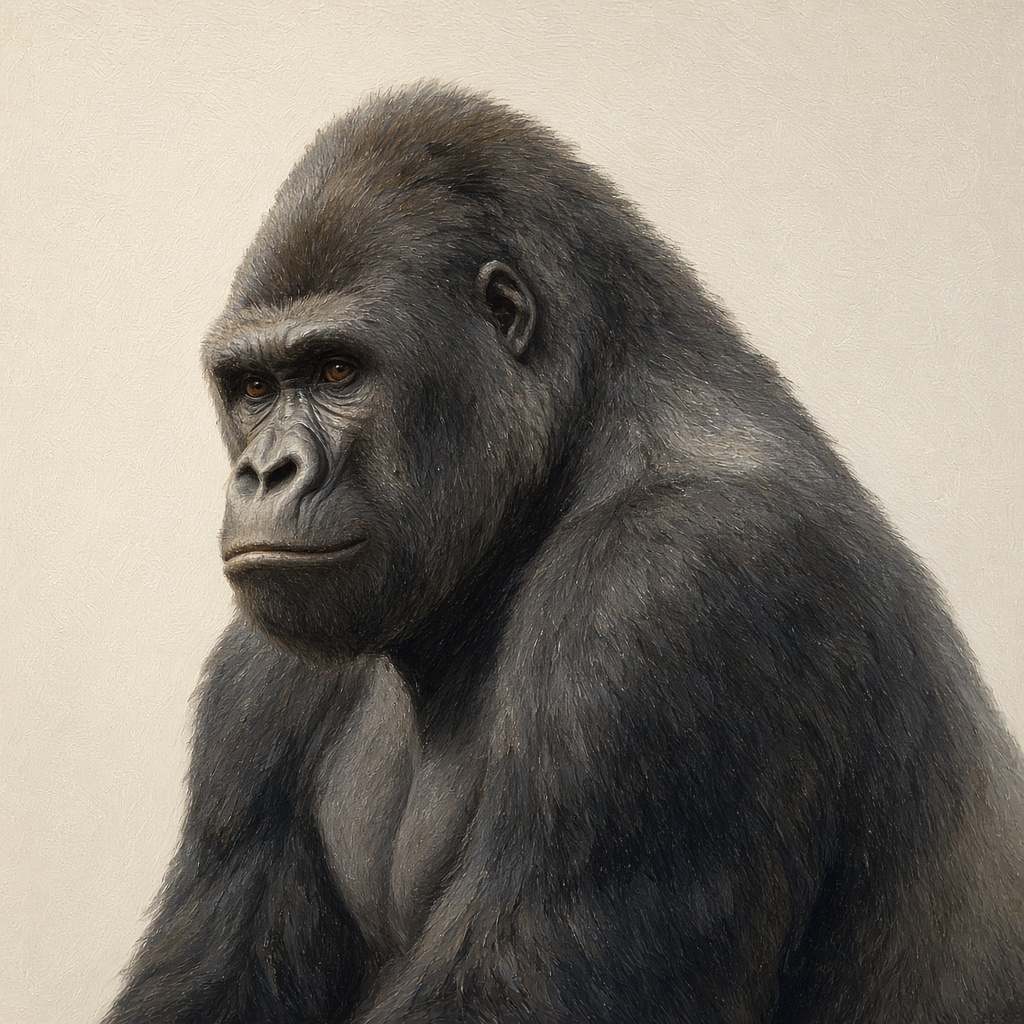
The silverback is my picture of a strong adult who carries responsibility: steady in the session, and steady with the people in his life. It is not a rank over other men, and it is not a name for how anyone else should train. Training changes the body. Men in their fifties who want this bar train here too. A sore joint is a reason to change the lift and keep going.
Site coming
03 · LiveLong Training
For men over 60, and for women from 25 on. Stairs, carrying, getting up, and the work of the week. The aim is to stay capable. What we train is the strength that takes.
You get stronger from where you start, upper body included. The week has to fit work and caregiving. Train consistently, and adjust the day for the symptoms you actually have. If you are pregnant, postpartum, leaking, or healing through the abdomen, your clinician stays in the conversation and I coach the lifting around that care.
The same strength work, on a different clock. Bone loss speeds up in the years around menopause, often near the early 50s and sometimes in the late 40s. Progressive loading can slow that loss. Balance joins the lifting as the years add up, because staying upright is a strength-and-balance practice.
Muscle leaves faster in this decade, and strength leaves faster than muscle. The chair, the stair, and the groceries get easier when you can produce force quickly. From the mid-60s, balance belongs in the week with the lifting. It is never too late to get stronger.
Site coming · Same coaching, fitted to the person